Steel building systems have revolutionized construction and architecture, offering numerous benefits for modern infrastructure projects. From skyscrapers to industrial complexes, steel structures are popular for their superior qualities. As sustainable materials are prioritized, steel remains a top choice.
1. Advantages of Steel Building Systems
1.1. Cost-effectiveness
Steel building systems are cost-effective despite higher initial costs compared to materials like wood. Their durability leads to lower maintenance and replacement expenses. Steel’s consistent pricing and lightweight nature reduce transportation and foundation costs, making it economical in the long run.
1.2. Durability and Longevity
Known for its strength, steel is ideal for structures enduring harsh weather. Unlike wood, it doesn’t warp or rot, adding to its longevity. Steel’s resistance to pests and its ability to withstand natural disasters extend its lifespan beyond traditional materials.
1.3. Construction Speed
Steel systems accelerate construction with prefabricated components, reducing build time. This speed is ideal for commercial projects, cutting costs by enabling faster occupancy. The precision in prefabrication minimizes on-site adjustments, streamlining the process.
1.4. Design Flexibility
Steel enables extraordinary design flexibility, allowing for open spaces without frequent columns. Its versatility supports complex designs, enhancing a building’s aesthetic and functional capabilities. Steel adapts to evolving needs, suitable for modifications and expansions.
1.5. Environmental Impact
Sustainability is a key feature of steel, being highly recyclable and efficient to produce. Its use supports eco-friendly building standards.
2. Comparing Steel Building Systems to Traditional Methods
2.1. Structural Efficiency
Steel’s structural efficiency allows for heavy load-bearing with minimal material, unlike wood or concrete. Its high strength-to-weight ratio adds architectural freedom and eases renovations without major overhauls.
2.2. Cost Comparison
While initially more expensive, steel’s durability leads to lower maintenance costs over time. Reduced construction timelines and overall lifecycle savings make steel a competitively priced option.
2.3. Safety and Compliance
Steel systems surpass safety standards, offering impressive fire resistance and structural integrity. Non-combustible and resistant to environmental damage, steel ensures long-term safety and straightforward code compliance.
2.4. Aesthetic Options
Steel allows for aesthetically pleasing designs, from modern to traditional styles, including glass facades and innovative forms. Its flexibility is evident in renowned landmarks that highlight its contribution to architecture.
2.5. Time to Completion
Steel construction is faster than traditional methods due to prefabrication, reducing on-site labor and ensuring timely project completion, ideal for tight deadlines.
3. Common Applications of Steel Building Systems
3.1. Commercial Buildings
In commercial architecture, steel’s flexibility constructs robust and adaptable office spaces. Its capacity for column-free spaces maximizes usable area, supporting urban development.
3.2. Industrial Structures
Steel is preferred for industrial structures due to its strength, crucial in environments with fire risks. Its load-bearing capacity supports heavy machinery, aligning with industrial operational needs.
3.3. Residential Homes
Steel in residential construction ensures strong homes resistant to environmental adversities. With low maintenance and sleek design, steel homes are more energy-efficient, supporting modern insulation technology.
3.4. Recreational Facilities
Steel is favored for recreational facilities for its strength and design potential. It provides unobstructed sightlines and reduces long-term maintenance.
3.5. Agricultural Buildings
Steel supports agriculture with resilient and efficient buildings. Its resistance to pests and quick assembly benefits barns and silos, aiding time-sensitive needs.
4. Design Considerations
4.1. Load-Bearing Capacity
Proper calculation of steel’s load-bearing capacity is critical to ensure safety and structural integrity, allowing for innovative designs within safe parameters.
4.2. Thermal Insulation
Effective insulation is essential to maintain energy efficiency in steel structures, ensuring comfort and sustainability with solutions like spray foam.
4.3. Acoustic Performance
Sound management is vital, especially since steel conducts sound efficiently. Acoustically insulating partitions enhance the livability of steel buildings.
4.4. Corrosion Protection
Preventing steel corrosion is essential for longevity, using coatings or resistant materials, important in specific environmental conditions.
4.5. Foundation Requirements
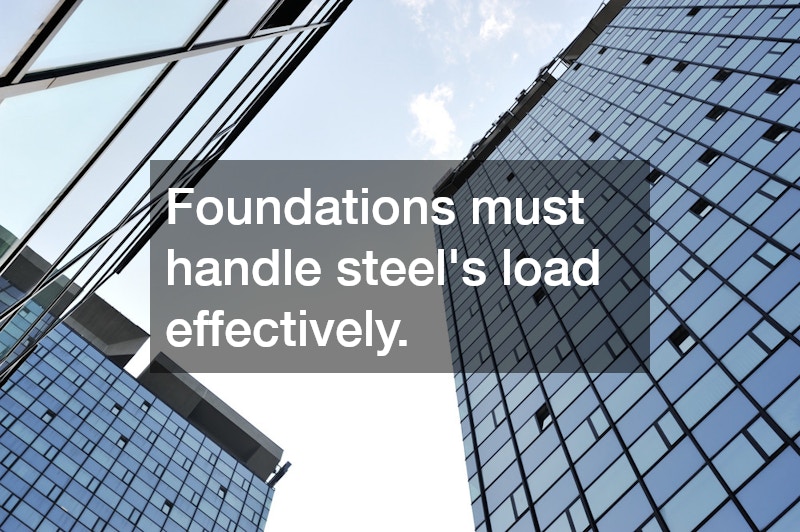
Foundations must handle steel’s load effectively. Engineers select foundation types considering soil conditions and building demands for stability.
5. Technological Advances Improving Steel Building Systems
5.1. Innovative Materials
Innovations in materials enhance steel’s benefits, with high-strength and corrosion-resistant steels improving performance and efficiency.
5.2. Design Software
Advances in design software offer architects powerful tools for planning steel frameworks, allowing real-time simulations and precise planning.
5.3. Smart Building Integration
Smart technologies enhance steel buildings, providing energy optimization and management.
5.4. Prefabrication Techniques
Prefab techniques in steel construction reduce on-site labor and waste while expediting timelines, aligning with efficient and sustainable practices.
5.5. Sustainability Innovations
Continual sustainability innovations enhance steel construction, combining recycled materials with efficient building practices for an eco-friendly future.
Steel building systems offer unparalleled advantages in the construction industry, ensuring cost-effectiveness, durability, speed, and versatility. As technologies and sustainability practices advance, steel continues to shape modern architecture, promising resilience and innovation for future constructions.