Introduction
Building, upgrading, and maintaining a home is a continuous process that evolves with your lifestyle, budget, and long-term goals. A house is more than a structure—it’s a living environment that requires consistent care, thoughtful improvements, and strategic planning. Whether you’re customizing a newly built property, renovating outdated spaces, or maintaining essential systems, understanding the right services to use makes all the difference.
Many homeowners wait until something breaks before seeking professional help. However, proactive upgrades and routine maintenance can prevent emergencies, preserve property value, and improve everyday comfort. The key is knowing which services to prioritize, how to select reliable professionals, and how to plan projects efficiently.
A well-maintained home doesn’t just look better—it functions better. Energy-efficient upgrades reduce monthly expenses. Preventative maintenance minimizes disruption to daily life. Strategic renovations improve both livability and long-term resale appeal. When improvements are approached with intention instead of urgency, homeowners gain greater control over timelines, costs, and outcomes.
This guide explores essential services every homeowner should understand—from structural maintenance and system upkeep to interior upgrades and outdoor enhancements. With detailed guidance and practical tips, you’ll be better equipped to build wisely, upgrade strategically, and maintain your home with confidence. The goal isn’t simply to fix problems as they arise, but to create a proactive plan that keeps your property strong, efficient, and enjoyable for years to come.
Create a Long-Term Plan Before Starting Major Improvements
Before calling contractors or purchasing materials, step back and evaluate your property as a whole. A clear roadmap prevents overspending and ensures each upgrade supports your overall vision. Without a plan, it’s easy to invest in cosmetic changes while overlooking structural or mechanical needs that require attention first.
Conduct a Full Home Assessment
Walk through your home with a critical eye and take notes on:
-
Structural concerns (cracks, uneven floors, water stains)
-
Aging systems (HVAC, plumbing, roofing)
-
Outdated layouts
-
Worn finishes and fixtures
-
Exterior drainage and grading issues
Look beyond surface appearances. Small ceiling stains may indicate larger roofing problems. Slightly sticking doors could signal foundation settling. Identifying patterns early allows you to address root causes instead of repeatedly treating symptoms.
Photograph areas of concern and create a prioritized list categorized by:
-
Safety concerns
-
Structural repairs
-
Efficiency upgrades
-
Cosmetic improvements
If you’re considering home renovations, aligning them with long-term goals is crucial. For example:
-
Planning for resale within five years? Focus on kitchens, bathrooms, and curb appeal.
-
Planning to age in place? Consider accessibility upgrades.
-
Expanding your family? Evaluate storage and functional space needs.
Also consider future maintenance requirements. Choose materials and upgrades that fit your lifestyle and the time you’re willing to devote to upkeep.
Set a Multi-Year Budget
Rather than tackling everything at once:
-
Spread large projects across 3–5 years.
-
Build a maintenance reserve fund (1–3% of home value annually).
-
Request detailed quotes before committing to major work.
A phased approach ensures steady progress without financial strain. It also allows you to research contractors carefully and schedule projects during ideal seasons, potentially reducing costs.
Upgrade Entry Points for Security, Efficiency, and Style
Entryways shape first impressions while also protecting your home from weather and security risks. Because doors are frequently used and exposed to the elements, they require thoughtful selection and maintenance.
Choose Durable, Energy-Efficient Materials
Installing custom wood doors offers both aesthetic appeal and functional benefits when selected carefully. To ensure long-term performance:
-
Choose hardwood species resistant to warping.
-
Confirm proper sealing against moisture.
-
Install high-quality weatherstripping.
-
Use multi-point locking hardware for added security.
Additionally, consider insulated cores for improved thermal efficiency. Proper installation is just as important as material selection. Even a high-quality door can underperform if improperly fitted.
Properly fitted doors reduce drafts and improve insulation performance, contributing to lower energy bills and improved indoor comfort.
Maintain Entry Systems Over Time
Wood doors require ongoing care:
-
Inspect annually for cracks or peeling finish.
-
Re-stain or seal every few years.
-
Ensure hinges and locks remain properly aligned.
-
Check thresholds for water intrusion.
Keep surrounding trim sealed and repaint as needed to prevent moisture penetration. Adjust door alignment if you notice sticking during seasonal temperature changes. Small maintenance tasks prevent costly replacements and help preserve both function and appearance.
Protect Structural Integrity With Routine Preventative Services
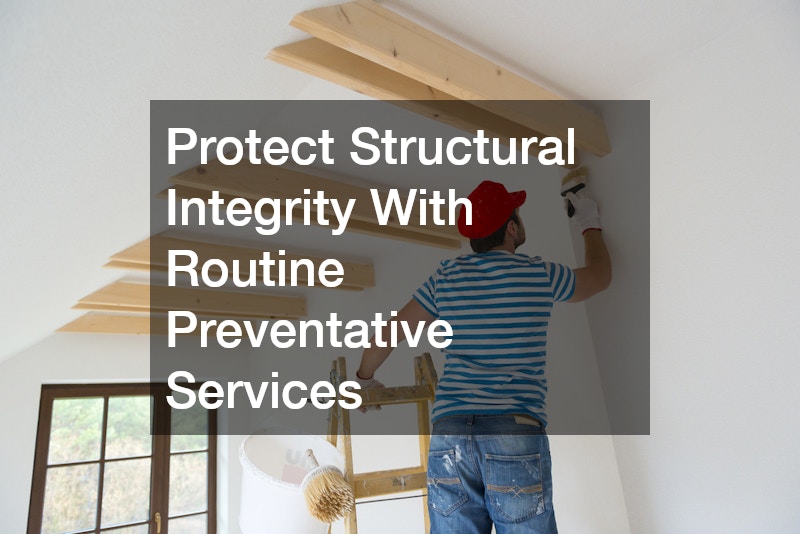
Ignoring minor issues often leads to expensive structural damage. Preventative services act as an early defense system against problems that may not be visible until significant harm has occurred.
Keep Unwanted Intruders Out
Regular pest control services protect framing, insulation, wiring, and stored belongings. Common risks include:
-
Termites damaging structural beams.
-
Rodents chewing electrical wiring.
-
Ant infestations inside walls.
-
Wasps nesting in eaves.
Schedule quarterly or biannual treatments and request inspections of crawl spaces and attics. Seal foundation cracks, repair damaged screens, and eliminate standing water near the home to reduce attraction.
Preventative treatment costs far less than repairing structural damage caused by infestations.
Maintain Waste Systems Before Failure
If your home relies on a septic system, septic tank pumping is critical. Failure to maintain your system can result in:
-
Sewage backups
-
Yard contamination
-
Expensive drain field replacement
Best practices include:
-
Pumping every 3–5 years.
-
Avoiding grease disposal in sinks.
-
Spreading laundry loads throughout the week.
-
Diverting roof runoff away from the drain field.
Keep records of service dates and inspections. Watch for warning signs such as slow drains or foul odors. Routine care extends system lifespan and prevents environmental hazards that could affect both your property and neighboring areas.
Modernize Kitchens for Functionality and Value
Kitchens are among the most valuable spaces in a home. Thoughtful updates enhance both daily use and resale potential. A well-designed kitchen improves workflow, storage, and overall comfort.
Work With Experienced Professionals
Hiring a reputable kitchen remodeling company ensures structural, electrical, and plumbing work meets code requirements. Before hiring:
-
Review portfolios.
-
Ask for references.
-
Confirm licensing and insurance.
-
Request a detailed timeline.
Discuss expectations clearly, including budget limits and contingency allowances. A professional team can identify potential layout improvements and ensure safe installation of appliances and fixtures.
Focus on Function First
Prioritize practical improvements:
-
Optimize the work triangle (sink, stove, refrigerator).
-
Upgrade lighting with layered fixtures.
-
Install durable countertops.
-
Improve storage with pull-out shelving.
Plan for energy efficiency by selecting high-efficiency appliances and LED lighting. Consider durable cabinet materials and finishes that withstand daily wear. Thoughtful planning ensures your investment adds lasting value rather than temporary trends.
Refresh Interior Spaces With Professional Finishes

Interior updates dramatically impact how your home feels. Fresh finishes can brighten rooms, create cohesion, and highlight architectural features.
Achieve Durable, High-Quality Results
An interior painting contractor provides:
-
Thorough surface preparation.
-
Proper priming.
-
Clean trim lines.
-
Even, long-lasting finishes.
Surface preparation often determines longevity. Filling nail holes, sanding imperfections, and cleaning walls properly prevents premature peeling or uneven color.
Before painting:
-
Repair drywall imperfections.
-
Test paint samples under various lighting.
-
Choose washable finishes in high-traffic areas.
Coordinate Painting With Other Projects
If you’re completing flooring installation, paint first to avoid drips on new floors. Coordinating projects reduces labor duplication and protects new materials. Consider updating trim or baseboards at the same time for a cohesive look.
Professional finishes often last longer and improve overall home presentation, contributing to a polished and well-maintained appearance throughout the property.
Upgrade Flooring for Comfort and Longevity

Flooring influences durability, comfort, and aesthetics. It serves as the literal foundation of your daily living experience, absorbing foot traffic, supporting furniture, and contributing significantly to your home’s visual appeal. Because flooring is a long-term investment, careful selection and maintenance are essential to maximize both performance and value.
Choose Materials Based on Lifestyle
Before scheduling flooring installation, consider:
-
Foot traffic levels.
-
Presence of pets.
-
Moisture exposure.
-
Maintenance requirements.
Think beyond appearance. A busy household with children and pets may benefit more from scratch-resistant surfaces than delicate hardwood. Homes in humid climates require materials that resist moisture expansion and warping.
Popular options include:
-
Hardwood for timeless appeal.
-
Luxury vinyl for moisture resistance.
-
Tile for durability.
-
Carpet for comfort in bedrooms.
In addition, consider:
-
Engineered wood for improved dimensional stability.
-
Porcelain tile for high-moisture areas like bathrooms and laundry rooms.
-
Area rugs to protect high-traffic zones in open-concept spaces.
-
Radiant heating compatibility if you’re upgrading subfloor systems.
Evaluate long-term costs, not just upfront pricing. Some materials cost more initially but require less frequent replacement. Also ask about warranty coverage and proper subfloor preparation—an improperly leveled subfloor can cause premature wear, squeaking, or cracking.
Protect Your Investment
After installation:
-
Use protective pads under furniture.
-
Clean spills immediately.
-
Follow manufacturer cleaning recommendations.
-
Refinish hardwood every 7–10 years.
Additional protective steps include:
-
Placing entry mats at doors to reduce dirt and grit.
-
Maintaining consistent indoor humidity to prevent expansion and contraction.
-
Trimming pet nails regularly to minimize scratches.
-
Avoiding steam mops on surfaces that aren’t rated for high moisture.
Inspect flooring periodically for early signs of wear, such as lifting edges, grout cracking, or finish dulling. Addressing minor concerns quickly prevents larger repairs later.
Proper maintenance extends lifespan and protects resale value. Well-maintained floors significantly influence buyer perception and overall home appraisal.
Enhance Outdoor Living Spaces Thoughtfully
Outdoor areas increase usable square footage and improve enjoyment. When designed properly, they create functional extensions of indoor living spaces, offering areas for relaxation, dining, and entertaining.
Build Safe, Durable Decks
Professional deck builders ensure structural integrity and code compliance. When planning:
-
Select pressure-treated or composite materials.
-
Confirm proper footings and joist spacing.
-
Install secure railings.
-
Include adequate drainage.
Additionally:
-
Verify local permit requirements.
-
Consider sun exposure and shade structures.
-
Plan built-in seating or storage for efficiency.
-
Choose corrosion-resistant fasteners.
Routine deck maintenance includes:
-
Annual inspections.
-
Power washing.
-
Re-sealing wood surfaces.
-
Tightening hardware.
Look for signs of rot, loose boards, or rusting connectors. Composite decking requires less sealing but still benefits from periodic cleaning to prevent mildew buildup.
A well-maintained deck not only enhances enjoyment but also improves property value and safety.
Invest in Professional Pool Construction and Care
Hiring an experienced pool contractor ensures proper grading, plumbing installation, and filtration setup. During planning:
-
Confirm drainage solutions.
-
Choose energy-efficient pumps.
-
Install safety fencing.
Also consider:
-
Proper placement to avoid tree debris.
-
Automatic covers for safety and heat retention.
-
Non-slip decking materials.
-
Lighting for nighttime visibility.
Ongoing care includes:
-
Maintaining chemical balance.
-
Cleaning filters.
-
Monitoring water levels.
-
Inspecting pumps for wear.
Schedule periodic professional inspections to check for structural cracks or underground leaks. Even minor water loss can signal larger issues beneath the surface.
Proactive care prevents expensive resurfacing or structural repairs. A pool that’s consistently maintained remains a valuable asset rather than a liability.
Plan Relocations Carefully to Protect Your Property

Moving can cause unintended damage if not planned properly. Floors, walls, staircases, and door frames are particularly vulnerable during furniture transport.
Prepare for a Smooth Transition
Hiring reliable local movers reduces physical strain and property damage. Before moving day:
-
Declutter thoroughly.
-
Label boxes clearly.
-
Photograph fragile items.
-
Confirm insurance coverage.
In addition:
-
Measure doorways and hallways for large furniture.
-
Disassemble bulky pieces in advance.
-
Pack essential items separately for easy access.
-
Notify utility providers early to avoid service interruptions.
Clear communication with movers about fragile items and newly renovated areas helps prevent mishaps.
Protect Floors and Walls
During the move:
-
Use protective floor coverings.
-
Pad stair railings.
-
Remove doors if necessary for large furniture.
-
Inspect for scratches afterward.
You may also:
-
Use corner guards to protect wall edges.
-
Cover banisters with blankets.
-
Place sliders under heavy furniture.
-
Schedule professional cleaning after the move.
Taking precautions ensures your recent upgrades remain intact and minimizes post-move repair expenses.
Establish a Reliable Network of Service Professionals
Homeownership becomes easier when you have trusted experts on call. Building long-term relationships with qualified professionals improves communication and ensures faster response times.
Vet Contractors Carefully
For any project—whether home renovations or hiring deck builders—verify:
-
Licensing
-
Insurance
-
Experience
-
Written contracts
-
Clear payment schedules
Additionally:
-
Request itemized estimates.
-
Confirm warranty terms.
-
Check online reviews and references.
-
Avoid unusually low bids that may indicate shortcuts.
Avoid large upfront payments and insist on detailed scopes of work. Clear contracts protect both parties and prevent misunderstandings.
Maintain a Service Calendar
Schedule recurring tasks such as:
-
Pest inspections
-
Septic tank pumping
-
HVAC servicing
-
Exterior sealing
-
Roof inspections
Use digital reminders or home management apps to track appointments. Keeping consistent service intervals prevents overlooked maintenance and reduces the likelihood of costly emergencies.
Budget for Maintenance and Upgrades Strategically
Financial planning supports long-term success. Without a budget, even necessary repairs can feel overwhelming.
Allocate Annual Maintenance Funds
Experts recommend:
-
Setting aside 1–3% of home value yearly.
-
Separating emergency and upgrade savings.
-
Tracking project costs over time.
Maintain a spreadsheet to log:
-
Contractor costs
-
Material expenses
-
Maintenance dates
-
Warranty expirations
Consistent tracking provides insight into patterns and helps forecast future needs.
Phase Improvements Intentionally
Complete projects in logical order:
-
Structural and safety issues
-
Water intrusion prevention
-
Energy efficiency upgrades
-
Cosmetic enhancements
Combining related projects—such as painting during home renovations—reduces labor costs. Planning upgrades seasonally can also reduce contractor pricing during slower periods.
Review Insurance Coverage
Confirm your policy includes:
-
Storm damage
-
Water damage
-
Liability coverage
-
Outbuilding protection
Review deductibles annually and adjust coverage limits as property value increases. Keeping documentation of upgrades simplifies claims if damage occurs.
Preparedness reduces stress during unexpected events and ensures your investment remains protected.
Conclusion
Building, upgrading, and maintaining a home is a long-term commitment that requires planning, attention, and informed decision-making. By understanding essential services and approaching improvements strategically, homeowners can enhance comfort, protect property value, and avoid unnecessary expenses.
From structural protection and system maintenance to thoughtful interior upgrades and outdoor enhancements, each decision contributes to the overall performance of your home. With a proactive mindset and reliable professional support, you can create a living space that remains safe, efficient, and enjoyable for years to come.