Operating a modern industrial production center requires balancing rigorous asset upkeep with the complex logistics of physical plant reconfiguration. Whether a manufacturer is modernizing legacy production lines, increasing footprint capacity, or relocating heavy machinery to a newly constructed site, facility managers encounter substantial operational hurdles. Neglecting scheduled upkeep or rushing an equipment move leads to catastrophic downtime, substantial budgetary overruns, and severe workplace safety hazards.
Modern Facility Upkeep and Infrastructure Preservation
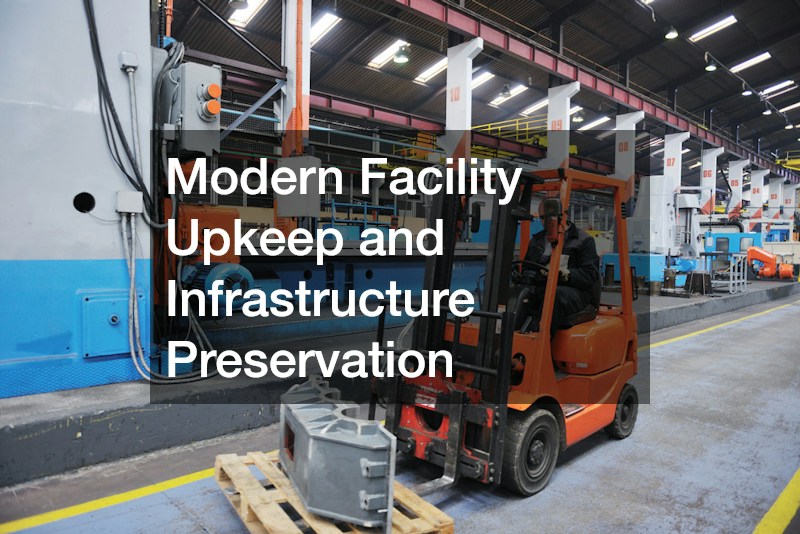
Infrastructure integrity forms the backbone of any reliable manufacturing operation. Over time, physical stress, thermal cycling, chemical exposure, and mechanical vibration degrade the structural fabric of buildings, utility networks, and processing hardware. A passive approach that waits for components to break down guarantees higher overall repair costs and unplanned work stoppages.
Industrial maintenance departments must shift toward holistic lifecycle stewardship. By inspecting foundational framing, concrete substrates, power conduits, and processing mains before minor issues turn into critical failures, companies protect production throughput while keeping the work environment safe for personnel.
Implementing Non-Invasive Diagnostics for Subsurface Plumbing
Subterranean water, chemical, and drainage conduits frequently suffer from chemical erosion, physical scouring, and ground subsidence. Rather than excavating active manufacturing floor space, plants benefit from advanced trenchless rehabilitation methodologies. Employing pipe lining allows technicians to restore aging structural pipes internally using thermosetting resin sleeves, eliminating the costly downtime and dust generation tied to traditional open-trench digging.
Routine pipe maintenance also depends on precision fabrication tools kept on site. Mechanical teams often acquire used pipe threaders to cut exact, leak-free NPT joints on structural black iron or stainless schedule pipes during routine line modifications without needing to purchase expensive custom assemblies.
- Conduct closed-circuit television scoping annually across all primary wastewater, effluent, and supply lines to identify hairline fractures or root intrusions.
- Flush pressurized chemical delivery lines with approved neutralizing solvents prior to applying internal protective coatings.
- Regularly calibrate fabrication tooling dies, verify cutting head alignment, and lubricate chasing dies to prevent thread galling on utility piping.
Sustaining Hydraulic and Pneumatic Reliability
Fluid power drives modern industrial robotics, stamping presses, molding units, and packaging systems. Fluid degradation, particulate contamination, and seal hardening remain the primary causes of unexpected hydraulic lockup. Establishing closed-loop filtration schedules ensures fluid cleanliness standards align with strict ISO cleanliness codes.
When pumps, directional control valves, or hydraulic cylinders begin to show cavitation damage or drop operating pressure, facility engineers must prioritize certified fluid equipment repair to restore internal tolerances, replace dynamic O-rings, and lap critical valve spools.
- Sample hydraulic and lubrication fluids every month, checking for dielectric breakdown, viscosity changes, and particle counts.
- Replace return-line filters and breathers on a strict operating-hour interval rather than waiting for differential pressure alarms to sound.
- Flush hydraulic circuit heat exchangers with mild acid washes to remove scale and optimize heat transfer rates.
- Maintain comprehensive records of pump rebuilds, flow bench test figures, and pressure relief settings for every production asset.
Preserving Precision Testing and Thermal Processing Units
High-precision testing hardware demands rigorous environmental stability. Quality assurance labs rely on specialized thermal test cells, humidity rooms, and ovens to simulate stress conditions on finished components. Slight temperature drifts or sensor calibration errors compromise compliance audits and product warranties.
Regular environmental chamber calibration ensures thermocouples, humidity sensors, psychrometers, and heating elements remain aligned with National Institute of Standards and Technology benchmarks, avoiding inaccurate thermal cycle runs that risk scrap rates across production batches.
- Run multipoint temperature mapping inside testing cells quarterly, placing calibrated data loggers across top, middle, and bottom spatial planes.
- Inspect silicone door gaskets and multi-pane observation windows for vapor leaks that could distort relative humidity measurements.
- Clean compressor condensation coils and inspect secondary sub-cooling circuits every ninety days to sustain cooling rates.
Structural Concrete and Substrate Rehabilitation
Floor slabs bear extreme static loads from heavy production machinery and withstand dynamic abrasion from heavy forklift traffic. Chemical spills, aggressive cleaning agents, and thermal shock create fissures and spalling along control joints. Leaving these structural cracks unaddressed leads to foundation rocking and structural misalignment of high-speed production tools.
Maintenance crews can permanently seal concrete expansion joints and anchor bolt cavities by utilizing industrial repair epoxy, which delivers compressive strength that exceeds original concrete while curing rapidly to reduce work floor closures.
- Grind and vacuum spalled joint channels clean of dust, oil, and moisture prior to injecting polymer repair resins.
- Use fast-curing polyurethane sealants along exterior threshold transitions to prevent moisture penetration and ground freeze-thaw cracking.
- Monitor slab deflection and foundation levelness beneath dynamic cutting presses using dial indicators during full-stroke operations.
Protecting Perishable Inventories and Thermal Buffers
Many industrial manufacturing workflows produce biological goods, sensitive chemicals, adhesives, or temperature-dependent composite pre-pregs. Facility downtime or unexpected cooling unit failures can ruin vast inventories within hours. Establishing reliable thermal fallback protocols protects materials during planned central chiller shutdowns or unanticipated grid outages.
Operations teams frequently contract refrigerated trailer rentals to serve as temporary cold-storage staging facilities, ensuring valuable chemical reagents and heat-sensitive supplies remain stable while main warehouse refrigeration hardware undergoes scheduled compressor maintenance.
- Connect temporary cooling assets to automated telematics networks that dispatch real-time alerts if ambient temperatures drift beyond set boundaries.
- Install heavy vinyl strip curtains across external bay access doors to limit convective heat transfer during inventory transfers.
- Conduct weekly load tests on dedicated exterior electrical connections to ensure clean, uninterruptible power supply for mobile cooling units.
Fortifying Loading Bay Enclosures and Perimeter Openings
Loading docks represent high-impact, vulnerable transitions where climate control, physical security, and heavy vehicle traffic converge. High-speed roll-up doors, insulated vertical overhead units, and dock levelers endure constant mechanical vibration and occasional collisions with transport equipment. Broken torsion springs or bent guide tracks compromise energy efficiency and pose critical safety risks to nearby staff.
Scheduling periodic dock leveler servicing and industrial garage door repairs ensures counterweight cables, safety reverse edges, and photo eyes function properly, preventing costly facility bottlenecks and air infiltration.
- Lubricate high-cycle roller bearings, track curves, and hinge pins monthly with non-gumming high-pressure lithium grease.
- Test automatic door safety reversal systems weekly using physical stop blocks to verify sensor response and motor brake engagement.
- Inspect perimeter brush seals and bottom astragals quarterly to prevent drafts, moisture intrusion, and pest access.
- Replace worn torsion counterbalanced springs before their rated lifecycle ends to prevent sudden assembly failure.
Communication Networks, Electrical Distribution, and Smart Monitoring
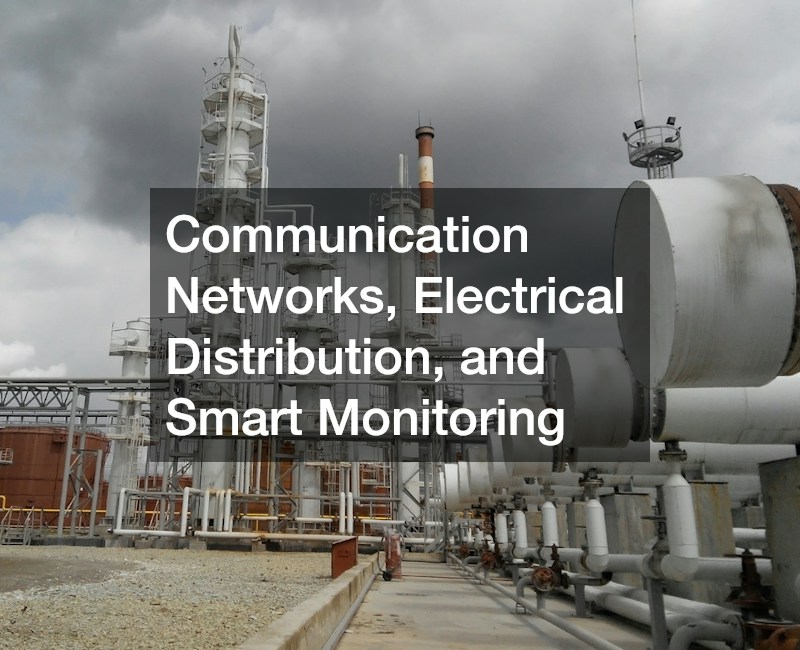
Plant automation relies on clean, low-latency signal distribution and continuous spatial monitoring. As factories expand their industrial automation architectures, legacy low-voltage runs and manual layout surveys struggle to keep pace with changing floor layouts. Upgrading communication backbones and digital tracking systems is vital to optimizing facility workflows.
A modern enterprise incorporates integrated physical network paths alongside advanced spatial capture methods. When physical communication paths and spatial data align, plant engineering teams can redesign operational spaces without running into unmapped conduit lines or unexpected beam interferences.
Structured Low-Voltage Backbone Installation
Industrial production centers demand high-throughput data transfer between operational control centers, distributed programmable logic controllers, and enterprise resource planning software. Network conduits traversing multi-story manufacturing complexes must meet rigid fire, thermal, and mechanical durability guidelines.
During vertical communications upgrades, installing flame-resistant riser cable through designated technical chases prevents hazardous vertical flame propagation while isolating sensitive network telemetry from electromagnetic noise generated by nearby variable frequency drives.
- Segregate high-voltage motor feeds from fiber and copper communication conduits by a minimum of twelve inches to prevent signal clipping.
- Ground all metal cable trays and network cabinets to dedicated earth ground bars to safely dissipate static buildup.
- Label both ends of structured patch fields with alphanumeric machine tags to simplify tracing and streamline future network troubleshooting.
Advanced Spatial Mapping and Interference Avoidance
Before repositioning any equipment or reconfiguring production cells, engineering teams need exact, three-dimensional models of existing building conditions. Historical structural blueprints rarely match decades of physical additions, overhead duct routing, and utility retrofits.
Deploying high-resolution lidar detection allows engineers to create millimeter-accurate point clouds of structural steel, pipe racks, and bridge crane clearances, eliminating spatial surprises before new machinery footprints are finalized.
- Conduct laser scans during scheduled downtime to minimize spatial distortion caused by moving personnel or active forklift traffic.
- Register spatial scan point clouds directly into building information modeling software to run automated clash detection against machine clearance drawings.
- Map critical utility drop coordinates relative to building structural columns to verify accessibility for future rigging access.
Comprehensive Machinery Relocation Protocols
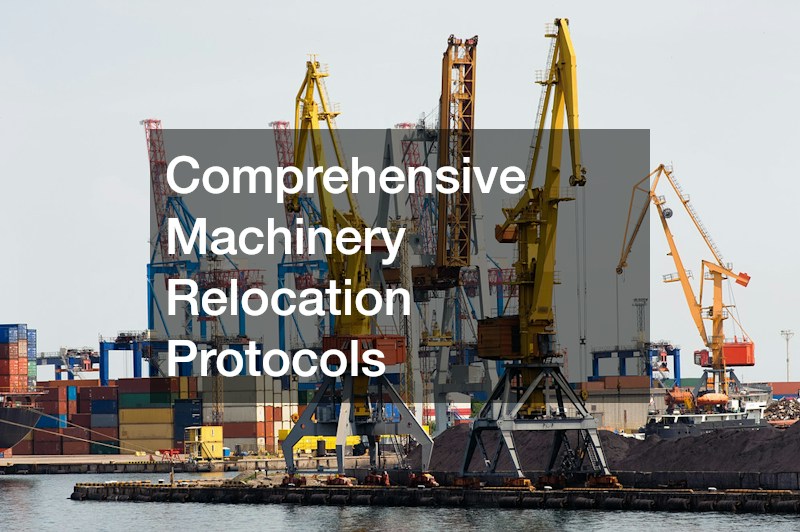
Relocating industrial production machinery is one of the most high-stakes operations a plant engineering department will ever undertake. Unlike consumer transit, moving industrial hardware involves massive point loads, delicate electronics, precision ground guideways, and tight factory clearances. A single oversight during rigging or transit can bend machine frames, crack internal casting beds, or ruin alignment tolerances that take months to correct.
Flawless execution requires disciplined project management that coordinates mechanical trades, electrical teams, specialized riggers, and operations staff. By setting up distinct phases for decommissioning, rigging, secure transit, leveling, and testing, plant leaders protect high-value machinery and keep unexpected downtime to a minimum.
Phase One: Pre-Move Planning, Engineering Audits, and Disconnection
Every industrial move begins with an extensive operational audit. Facility managers must gather original manufacturer documentation, equipment weight distribution diagrams, anchor bolt layouts, and utility schematics. This planning stage establishes safe transport corridors, validates floor slab load capacities, and ensures utilities are shut down safely.
- Document machine health and precision tolerances: Run full production runs to capture baseline operational tolerances, cycle times, vibration profiles, and finished product metrics before touching any fasteners.
- Establish a comprehensive lockout and tagout process: Disconnect electrical mains, bleed pneumatic accumulators, lock hydraulic circuit valves, and vent toxic or volatile cooling conduits.
- Systematically drain production fluids: Evacuate lubricating oils, coolants, hydraulic reservoirs, and wash chemicals into certified transport drums to eliminate internal fluid shifting or hazardous spill risks during transit.
- Fasten dynamic mechanical elements: Anchor floating counterweights, lock gantry axes using original manufacturer transit brackets, and strap articulating tool changers to prevent motion stress during handling.
- Map low-voltage and high-voltage connections: Photograph, mark, and tag every wiring harness, terminal strip, pneumatic tube, and pipe connection with heat-shrinkable wire markers to streamline later reassembly.
Phase Two: Rigging, Transport Engineering, and Transit Logistics
Once machines are disconnected, drained, and secured, the physical moving phase begins. The safest way to handle complex industrial transfers is partnering with specialized machinery moving contractors who understand structural load limits, specialized lifting rigs, and mobile crane setups.
- Determine center-of-gravity parameters: Identify uneven center-of-mass points across irregularly shaped equipment to select proper sling configurations, spreader bars, and lift points.
- Protect structural subflooring: Distribute high point loads across concrete floors and utility trenches using heavy oak crane mats, steel road plates, or multi-wheel air casters.
- Implement professional transport logistics: Choose specialized heavy-haul carriers equipped with air-ride suspensions, lowboy trailers, multi-axle modular transporters, and custom weather-resistant covers to shield raw casting surfaces from moisture.
- Manage environmental exposure: Seal raw steel ways, precision ball screws, and bare spindle tooling interfaces with vapor-corrosion-inhibiting paper and barrier grease to stop rust during shipping.
Phase Three: Rigging In, Precision Placement, and Anchorage
Moving equipment into a new facility requires careful coordination between riggers, floor layout planners, and civil engineering teams. Precision anchorage, sub-base isolation, and dynamic vibration damping are critical to ensuring long-term operational success.
- Prepare the concrete foundation: Core anchor bolt holes according to manufacturer templates, hydro-blast foundation pockets, and verify that sub-slab soil compaction numbers match dynamic machine specifications.
- Position equipment on the production floor: Use heavy-duty steerable machinery skates or self-propelled modular transporters to move equipment through access doors, keeping a minimum three-foot safety clearance around overhead building trusses.
- Rough-level the machine: Set the machine frame on heavy-duty leveling jacks, shims, or vibration-damping pucks, keeping it slightly above the final target elevation.
- Pour non-shrink foundation grout: Pump high-early-strength epoxy or cementitious non-shrink grout under machine baseplates to lock anchor bolts in place and spread dynamic stresses evenly across the foundation slab.
Phase Four: Optical Alignment, Calibration, and Progressive Recommissioning
Simply placing a production machine on a level foundation does not make it ready to run parts. Transport stresses, foundation settling, and temperature swings can twist structural castings and bend precision axes. A structured recommissioning process systematically brings the machine back to its original design tolerances.
- Establish geometric alignment: Use laser trackers, electronic autocollimators, and precision granite squares to verify axis squareness, straightness, and spindle runout.
- Calibrate linear positioning scales: Use laser interferometers to map ball screw pitch errors, backlash, and thermal expansion across all linear and rotary movement axes.
- Flush and refill operating fluids: Recharge hydraulic circuits, grease distribution systems, and coolant reservoirs with pristine, pre-filtered fluids that match cleanliness specifications.
- Check phase alignment and electrical systems: Confirm line voltage stability, verify secondary transformer tap settings, and run motor bump tests to confirm correct phase rotation before coupling mechanical drives.
- Execute staged startup cycles: Step through machine functions gradually, running dry cycles without tools, followed by single-axis feed tests, simulated production runs, and final full-speed cutting passes under continuous thermal monitoring.
Continuous Operational Improvement and Preventive Maintenance Architecture
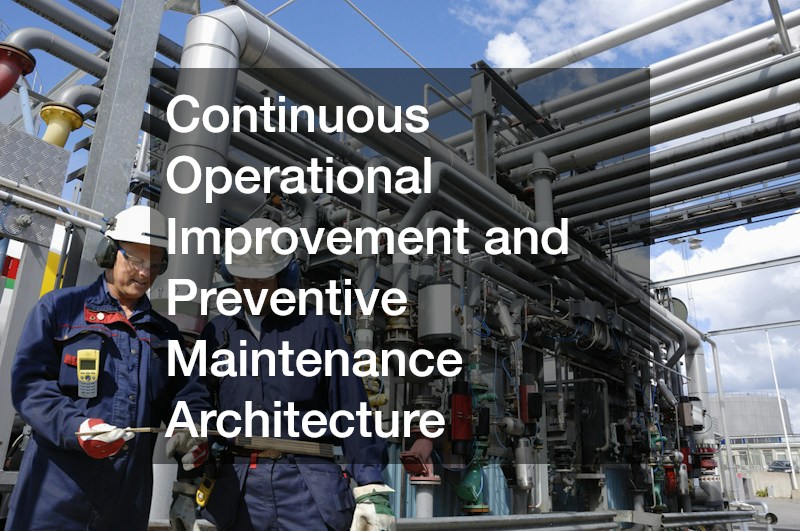
A successful machinery move or facility renovation is not the finish line of industrial asset management; it marks the start of a new operational lifecycle. Even the most precisely rigged and installed machinery will decline quickly if the plant relies on reactive upkeep methods. True operational excellence demands an ongoing maintenance system driven by condition monitoring, rigorous operating procedures, and clear maintenance performance metrics.
Factory leadership should build a culture of shared asset responsibility across the entire plant. When operators, maintenance teams, and reliability engineers collaborate around real-time performance data, facilities avoid unplanned work stoppages, extend the working life of critical assets, and get the most value from capital investments.
Transitioning to Predictive and Condition-Based Maintenance
Preventive maintenance schedules based strictly on calendar time often fall short. They can lead to unnecessary component replacements or fail to catch unexpected, rapid part failures. Moving to condition-based maintenance relies on real-time operational data to guide intervention decisions.
- Install triaxial vibration sensors: Mount permanent vibration sensors on motor bearings, pump housings, and gearbox inputs to catch bearing raceway fatigue and gear mesh faults weeks before visible breakdowns occur.
- Schedule regular infrared thermography: Scan main distribution panels, motor control centers, drive belts, and bus ducts every month to catch loose terminals, unbalanced electrical loads, and friction buildup before they cause a fire.
- Track dynamic power consumption: Keep an eye on amperage draws across motor drives; gradual power increases often point to mechanical binding, low lubrication levels, or worn internal assemblies.
- Incorporate ultrasonic inspection: Use directional ultrasonic listening tools to find small compressed air leaks, spot early steam trap failures, and detect corona discharges inside high-voltage enclosures.
Standardization, Spare Parts Management, and Operator Empowerment
The best preventative maintenance programs leverage the active support of front-line machine operators. Autonomous maintenance routines empower operators to perform everyday cleaning, inspection, and basic lubrication tasks, which helps free up skilled reliability technicians to focus on complex diagnostic work and predictive overhauls.
- Standardize basic maintenance routines: Attach color-coded lubrication points, visual sight gauges, and clear check sheets directly to machine frames to simplify daily operator inspection passes.
- Keep a strategic stock of critical spares: Maintain an on-site inventory of long-lead-time replacement items, including unique motor drives, custom seals, circuit cards, and bearings, keeping them stored in a clean, climate-controlled parts crib.
- Track operational equipment metrics: Review overall equipment effectiveness, mean time between failures, and mean time to repair weekly to spot recurring equipment issues and adjust PM workflows accordingly.
- Run root-cause failure analyses: When an asset fails unexpectedly, hold a cross-functional review using the five-whys method to address the true root cause rather than simply treating surface-level mechanical symptoms.
Long-Term Value Creation Through Operational Discipline
Industrial facility stewardship is an ongoing discipline that requires clear processes, continuous monitoring, and meticulous attention to detail. Managing an industrial plant successfully means treating basic structural preservation, utility distribution, and high-stakes machinery rigging as parts of a unified operational lifecycle.