Building a production plant from the ground up requires balancing structural integrity, utility resilience, regulatory compliance, and day-to-day logistics. When executives visualize a new facility, they often focus on the glamorous aspects of production, such as advanced automation and proprietary assembly lines. However, the success of any project depends on the unglamorous backbone supporting it. Without a meticulously planned infrastructure, the most sophisticated manufacturing equipment will sit idle. The initial choices made during the planning phase dictate the long-term operational costs, safety metrics, and expansion capabilities of the site for decades to come.
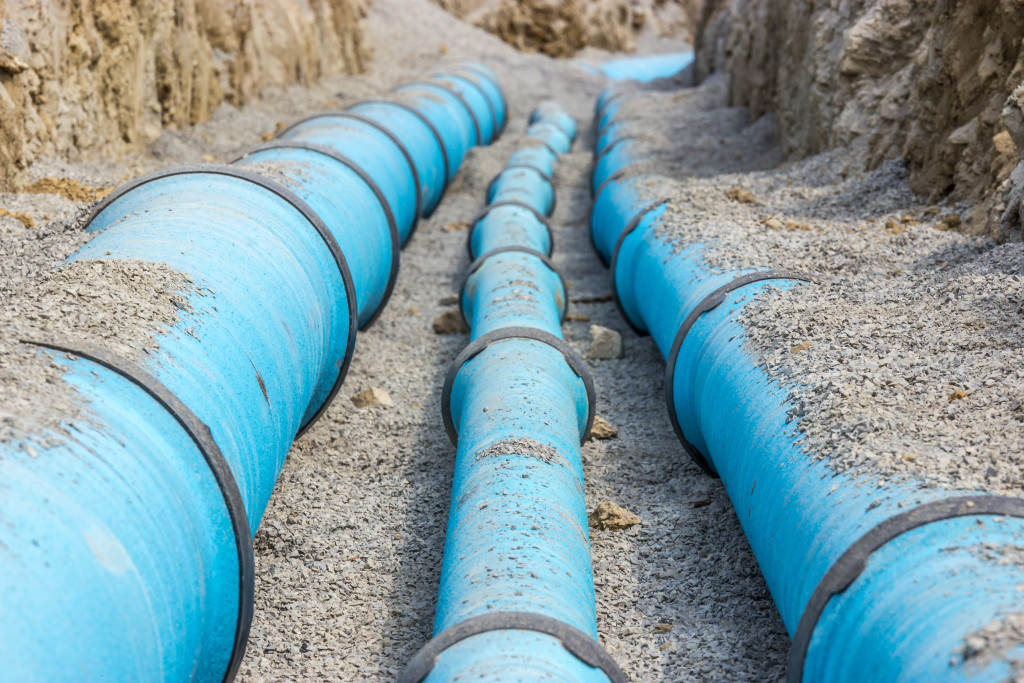
Before a single piece of concrete is poured, the environmental and structural realities of the chosen site must be thoroughly evaluated. This stage requires hiring a civil engineer to oversee the transformation of raw land into a legally compliant, structurally sound asset. This specialist handles everything from soil load-bearing capacity tests to storm water management plans and municipal zoning approvals. They calculate the precise slope required for drainage, evaluate how the building weight will impact the surrounding topography, and design the access roads to ensure heavy transport vehicles can enter and exit safely. Miscalculating the grading of a site or failing to account for local environmental regulations can delay a project for months, draining capital before the building even takes shape. The role of this specialist bridges the gap between raw topography and industrial architecture, ensuring the earth itself can support the massive physical and operational demands of a modern plant.
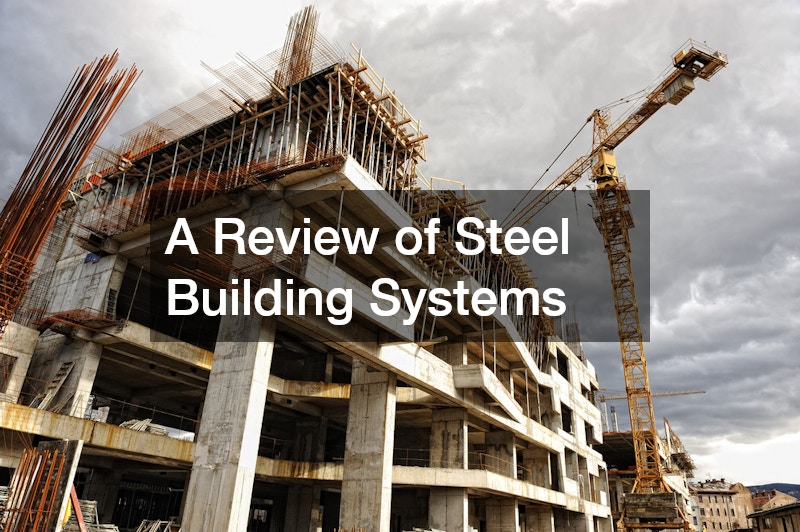
Once the primary site assessments are complete, the physical envelope of the plant can begin to rise. Groundbreaking marks the transition from conceptual drafts to structural reality. During this phase, a dedicated commercial construction company must be brought in to manage the massive scale of the build. This general contractor orchestrates the pouring of heavy-duty reinforced foundations, the erection of structural steel frames, and the integration of large-scale architectural elements designed to withstand the vibrations and weight of heavy industrial machinery. The building must be envisioned as a giant machine itself, designed with acoustic dampening, specialized thermal insulation, and strict fire separation barriers to protect both human capital and physical assets. Managing a project of this scale requires strict adherence to timelines and a deep understanding of industrial building codes, making the selection of the right building firm one of the most critical decisions in the entire development process.
Secondary Structures and Storage Systems
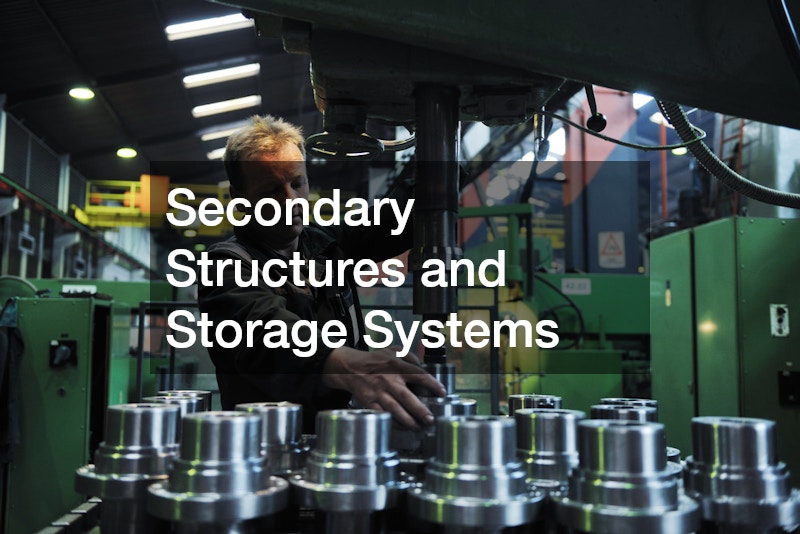
A self-contained production ecosystem requires specialized secondary structures beyond the main assembly floor to handle logistical support and fuel storage. A major component of this phase is designing dedicated maintenance bays for material handling equipment and yard vehicles. Utilizing a specialized garage contractor ensures that these support buildings are constructed with the proper clear heights, reinforced flooring, and utility drop lines necessary to service industrial assets safely. These structures keep maintenance activities separated from the clean environments required on the primary assembly lines, preventing contaminants like grease, hydraulic fluid, and exhaust fumes from migrating into sensitive production zones. The layout must allow for rapid vehicle ingress and egress, ensuring that forklifts, yard dogs, and maintenance vehicles can be serviced with minimal disruption to the main production schedule.
Industrial operations also require substantial on-site fuel storage to manage heating systems, fleet vehicles, and backup power equipment. This requires a professional oil tank installation configured to meet strict environmental containment laws. Whether these storage systems are placed above ground with secondary containment dikes or buried underground with double-walled monitoring systems, proper integration prevents environmental liabilities and ensures a steady supply of fuel during supply chain disruptions. The engineering behind these systems must include advanced leak detection sensors, automated overfill prevention valves, and robust structural protection to prevent accidental impacts from yard traffic. By securing an on-site fueling infrastructure, a manufacturing facility gains a layer of operational independence, shielding itself from localized fuel shortages and extreme price volatility while ensuring that critical thermal and mechanical systems remain powered under all circumstances.
Energy Independence and Resource Sourcing
Modern manufacturing demands an uninterrupted supply of electricity and water. Even brief fluctuations in power grid voltage can corrupt sensitive automation programming, damage tooling, and result in catastrophic product loss. To mitigate this risk, facilities must integrate heavy-duty industrial generators into their electrical architecture. These backup power systems act as an insurance policy against grid instability, automatically engaging via transfer switches within seconds of a power outage to keep critical climate control systems, safety protocols, and core machinery online. The selection of these systems requires an accurate calculation of both peak and continuous electrical loads, ensuring the backup power supply can handle the massive inrush currents generated when heavy electric motors cycle on. Furthermore, these units must be integrated into the facility’s overall energy management system, allowing for routine automated testing under load to guarantee operational readiness when an actual grid failure occurs.
Water is another critical resource that is often overlooked until utility bills arrive or municipal supply limits are reached. For facilities built in rural areas or those requiring massive volumes of water for cooling, processing, or sanitation, relying solely on municipal infrastructure is rarely cost-effective or practical. Establishing a dedicated water well service allows the facility to tap into localized aquifers. This independent resource provides a consistent, high-volume water supply that can be filtered and treated to meet the specific purity standards required by the facility’s machinery. Managing an independent water source involves drilling deep production wells, installing high-capacity submersible pumps, and building large-scale storage cisterns to handle peak demand periods. It also requires an ongoing testing regime to monitor water chemistry, ensuring that mineral content does not cause scaling or corrosion inside expensive cooling towers, boilers, and industrial wash systems, thereby extending the operational lifespan of the plant’s mechanical infrastructure.
Advanced Production Machinery Integration
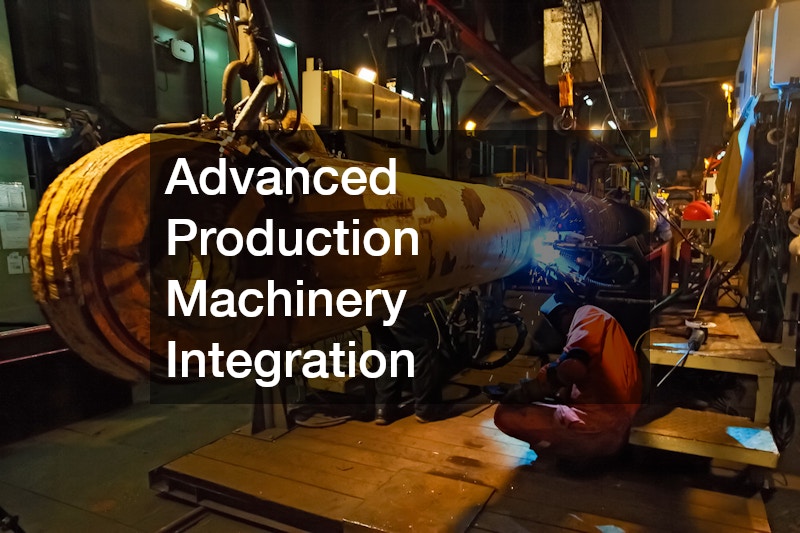
With the physical structure secured and utilities established, focus shifts to installing the specialized machinery that drives the business model. For modern consumer goods, electronics, or food manufacturing plants, end-of-line packaging is a critical component of the production flow. Integrating a high-speed box making machine directly into the workflow allows the plant to manufacture its own custom shipping containers on demand. This reduces dependency on external packaging suppliers, minimizes warehouse space dedicated to empty box storage, and allows the facility to rapidly adapt packaging dimensions to changing product lines. By producing corrugated packaging in real-time matching the exact dimensions of the finished product, the facility slashes material waste, optimizes shipping densities, and eliminates the logistical headache of tracking and ordering hundreds of different pre-fabricated box sizes. This integration transforms packaging from a separate logistical step into an automated, seamless extension of the manufacturing line itself.
The physical movement of these massive pieces of machinery during installation, as well as the daily handling of heavy raw materials, requires overhead lifting systems. Overhead bridge cranes, gantry systems, and hoists are integrated directly into the structural steel framework of the ceiling. Because these lifting systems handle loads weighing dozens of tons, safety compliance is paramount. Implementing a rigid crane inspection routine right from the start ensures that all structural welds, wire ropes, hooks, and electrical braking systems are certified safe for operation, protecting workers and preventing catastrophic equipment drops. These regulatory assessments must be conducted by certified professionals who utilize non-destructive testing methods, such as magnetic particle or ultrasonic testing, to identify micro-fractures and structural fatigue before they lead to mechanical failure. Keeping detailed logs of these assessments not only ensures compliance with federal and local workplace safety laws but also establishes a predictive maintenance schedule that minimizes unscheduled downtime on the production floor.
Long Term Operational Logistics and Maintenance
The final piece of the manufacturing puzzle involves establishing the daily maintenance and logistical routines that keep the facility profitable over decades of operation. A factory is a massive consumer of raw materials and an equally massive producer of waste. Managing this output requires a dependable contract for local trash pickup to handle industrial waste, recyclable scrap, and standard facility refuse. Efficient waste stream management keeps loading docks clear, prevents fire hazards, and ensures the facility complies with local sanitation ordinances. A properly managed waste program goes beyond simple disposal; it categorizes waste streams to separate valuable recyclable materials, like metals and plastics, from general refuse, potentially turning a waste management expense into a minor revenue stream. It also guarantees that hazardous or regulated materials are disposed of through certified legal channels, protecting the corporation from regulatory fines and reputational damage.
Finally, a factory is only as fast as its distribution network. If the trucks delivering raw materials or shipping out finished goods are broken down, the entire operation grinds to a halt. Maintaining a fleet of heavy-duty semi-trucks, box trucks, or yard hustlers requires a reliable fleet truck repair partnership. Whether this maintenance is performed in the custom-built service bays on-site or managed through an on-call mobile mechanical service, keeping transport vehicles in peak operating condition prevents logistical bottlenecks and ensures that the facility can meet its delivery commitments without interruption. A comprehensive vehicle maintenance program tracks fuel efficiency, tire wear, brake performance, and engine diagnostics across the entire fleet, implementing preventive maintenance to fix minor issues before they turn into costly over-the-road breakdowns. By ensuring constant fleet uptime, the manufacturing facility maintains total control over its supply chain, guaranteeing that finished products reach customers exactly when promised.
Advanced Environmental Control Systems
Beyond the primary utility inputs, modern industrial facilities must implement sophisticated environmental control systems to manage the internal atmosphere of the plant. Manufacturing processes frequently generate airborne particulates, volatile organic compounds, and extreme heat, all of which must be mitigated to ensure worker health and product consistency. High-efficiency particulate air filtration systems and industrial scrubbers must be integrated into the ventilation design to clean the air before it is either recirculated into the facility or exhausted into the atmosphere. Proper ventilation layout prevents the buildup of explosive dusts or toxic fumes, creating a workplace that meets strict occupational safety standards.
Temperature and humidity control are equally critical on the modern production floor. For sectors like electronics manufacturing, pharmaceuticals, and precision aerospace engineering, even minor shifts in humidity can induce static electricity discharges or alter material properties, ruining sensitive components. Large-scale industrial HVAC systems must be engineered to maintain tightly controlled environmental zones throughout the plant. These systems rely on automated sensors that continuously monitor atmospheric conditions, adjusting airflow, cooling, and moisture levels in real time to provide an optimized environment for both sophisticated machinery and human labor.
Physical and Digital Security Infrastructure
As manufacturing facilities become increasingly connected through the industrial internet of things, protecting physical assets and digital networks becomes a unified challenge. The physical perimeter of the facility must be secured with automated access control systems, high-definition surveillance networks, and physical barriers. Restricting access to sensitive areas, such as the main control room, power generation hubs, and primary chemical storage areas, ensures that only authorized personnel can interact with critical infrastructure, reducing the risk of accidental disruption or malicious interference.
Simultaneously, the digital backbone of the plant requires robust cybersecurity measures. Modern factories utilize interconnected programmable logic controllers, automated guided vehicles, and enterprise resource planning software that communicate across internal networks. A breach in this digital infrastructure could allow malicious actors to alter machine parameters, steal proprietary manufacturing processes, or shut down production entirely. Industrial firewalls, network segmentation, and continuous monitoring protocols must be deployed to safeguard the operational technology network from external cyber threats, ensuring that digital connectivity does not become a vulnerability.
Workflow Optimization and Facility Layout
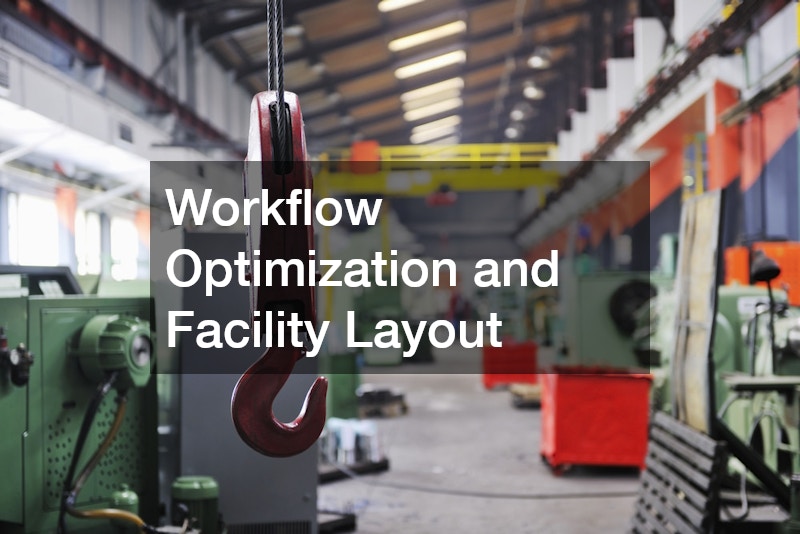
The physical arrangement of departments within the manufacturing facility directly influences its overall productivity and operational cost. Implementing lean manufacturing principles during the structural layout phase minimizes the distance materials must travel from initial receipt to final shipment. The layout should foster a continuous, logical flow of goods—ideally following a straight line, U-shape, or L-shape configuration—that eliminates backtracking and reduces congestion on the main transit aisles. By optimizing spatial relationships between storage areas, production lines, and packaging stations, the plant can significantly reduce material handling times and lower the risk of workplace accidents.
A crucial aspect of this spatial optimization is the design of the loading dock areas. The facility must feature an adequate number of dock positions equipped with automated levelers, heavy-duty seals, and secure vehicle restraints to accommodate varying truck sizes and high-volume shipping schedules. Staging areas immediately adjacent to the docks must be large enough to hold incoming raw materials for inspection and outgoing finished goods for loading, preventing bottlenecks that slow down transit operations. A well-designed dock system acts as a high-efficiency valve, regulating the movement of assets and ensuring that the internal speed of the production line matches the external speed of the distribution network.
Scalability and Future Proofing
An often overlooked aspect of launching a manufacturing facility is planning for its eventual growth. Business demands shift, technologies evolve, and a plant designed tightly around today’s production requirements can quickly become a bottleneck tomorrow. True infrastructure excellence requires built-in modularity and scalability. Structural designs should include knockout walls that allow for easy physical expansion of the building footprint without disrupting ongoing operations. Similarly, utility grids—including electrical busways, compressed air loops, and water distribution lines—should be oversized during the initial installation phase to accommodate additional machinery loops in the future.
Future-proofing also extends to the technological infrastructure of the facility. Installing extensive underground conduit pathways and overhead cable trays allows for the seamless deployment of future fiber optic networks, advanced sensor arrays, and robotics without the need for expensive structural retrofitting. By investing slightly more capital upfront to build an adaptable, scalable foundation, the manufacturing organization ensures that the facility remains a competitive, highly productive asset capable of evolving alongside the market it serves.
Through the systematic integration of all these interconnected systems—ranging from foundational civil engineering and heavy commercial construction to specialized utility loops, automated packaging machinery, rigid safety inspections, and robust logistical support networks—a manufacturing organization builds more than just a factory. It establishes a resilient, high-efficiency production asset designed to maximize operational uptime, safeguard human life, and deliver consistent profitability through decades of shifting industrial demands.