When entrepreneurs conceptualize a new venture, their minds naturally drift toward the creative and visible aspects of commerce: designing an elegant product, building a charismatic brand, or crafting an engaging digital presence. These elements represent the spark of business ownership, yet a spark alone cannot sustain a fire. Beneath every successful enterprise lies a complex, often invisible network of operational mechanisms that transform raw materials into products, deliver services safely to clients, protect digital infrastructure, and maintain physical assets. This is the domain of small business logistics.
True operational logistics extends far beyond the simplistic definition of packing and shipping customer orders. For a modern small business, logistics represents the systematic integration of facility design, environmental regulatory compliance, resource optimization, physical asset preservation, utility infrastructure alignment, and digital asset security. If any single component of this multifaceted engine stalls, the entire operational flow risks collapse. This guide offers a rigorous, in-depth roadmap for small business owners seeking to engineer robust logistics models that mitigate operational risks, control capital expenditure, and build a lasting foundation for sustainable scaling.
Laying the Foundation: Structural and Facility Logistics

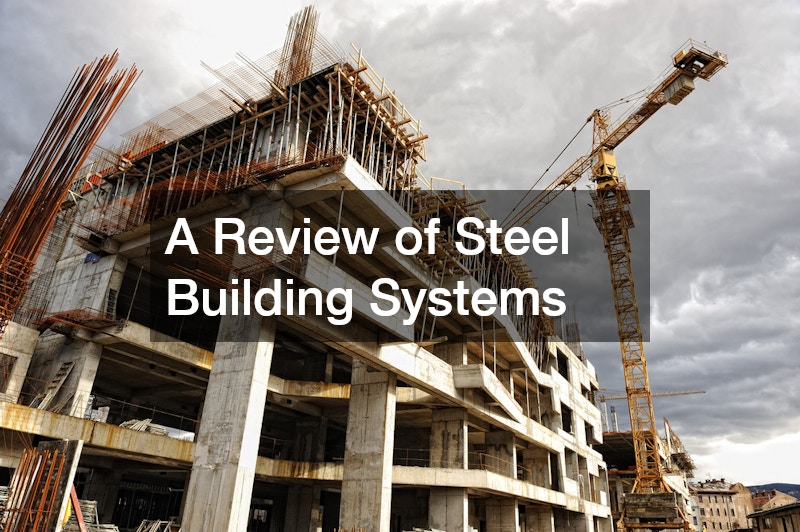
The physical environment in which a small business operates acts as the primary constraint or catalyst for its logistical efficiency. Many growing enterprises quickly outgrow traditional storefronts, finding that their operational volume requires specialized spatial configurations. When a company reaches this inflection point, management must carefully analyze spatial logistics, weighing the financial and operational trade-offs between retrofitting existing structures and investing in completely custom physical infrastructure.
Conversely, planning your footprint around a purpose-built commercial metal building provides parallel flexibility, allowing the business to engineer expansive clear-span layouts devoid of intrusive interior columns. This design freedom ensures that forklift pathways, loading zones, and conveyor lines can be mapped in perfect alignment with industrial engineering principles, ensuring a completely seamless flow from receiving dock to final order fulfillment.
Beyond structural layout, small business logistics must prioritize the internal workflow mechanics within the chosen facility. Designing for optimal workflow prevents internal bottlenecks, minimizes manual handling steps, and lowers human error rates. By establishing clearly demarcated, zone-based environments, businesses can separate incoming receiving logistics, picking operations, packing, and outbound distribution into non-overlapping zones. This structural separation mitigates the risk of operational cross-contamination while optimizing the time required for warehouse staff to navigate the facility floor.
Environmental Compliance and Site Preparation
Establishing physical logistics centers or expanding production capabilities often requires purchasing, leasing, or repurposing land and legacy commercial sites. During this phase, small business owners often encounter a complex web of environmental regulations and historical land-use issues. Neglecting environmental compliance during the initial planning phase can lead to devastating consequences, including prolonged government-mandated operational shutdowns, expensive litigation, and severe financial liabilities that can permanently compromise a small business’s cash reserves.
When evaluating a potential operational site, a business must investigate the environmental history of the land and any structures residing upon it. Legacy industrial or commercial properties frequently hide environmental contamination beneath the surface, such as chemical solvent spills, heavy metal saturation, or compromised underground storage systems. For example, if a business acquires an old automotive shop or historical manufacturing facility to serve as its new logistical hub, it may discover buried fuel infrastructure that violates modern environmental safety standards. Promptly addressing localized issues, such as arranging for professional oil tank removal, is a critical prerequisite before any major foundational work or restructuring can safely commence. Failing to proactively detect and extract these aging underground containment units can lead to soil or groundwater contamination, initiating regulatory interventions that can permanently freeze your operations.
Sustainable Resource Management and Off-Grid Operations
Modern small business logistics models are increasingly prioritizing sustainability, driven by both a desire for corporate social responsibility and the direct economic benefits of resource efficiency. Incorporating green principles into your daily logistics strategy is a highly effective methodology for lowering long-term utility overhead, protecting your supply chain from localized utility failures, and reducing your overall environmental footprint. Sustainable resource management shifts operational focus from a linear consumption pattern to a circular paradigm where waste is actively minimized, and utility independence is maximized.
For small businesses that operate in rural environments, agricultural zones, or areas with highly unpredictable utility infrastructure, achieving decentralized resource efficiency is vital for maintaining steady operational output. Traditional water management and electrical access can represent substantial capital investments and ongoing operating costs. By looking toward specialized eco-friendly utilities, such as contracting professional aeration windmill services, an off-grid or semi-rural small business can manage its localized wastewater treatment ponds, retention basins, or agricultural irrigation needs completely independent of the power grid. These mechanical systems utilize wind energy to oxygenate large bodies of water, preventing stagnation and controlling algae growth naturally, thereby eliminating the need to trench long, expensive electrical conduits across expansive properties to power electric pumps.
Furthermore, sustainable logistics requires a deeply calculated strategy for dealing with the physical byproduct of your production or packaging pipelines. Instead of treating manufacturing scrap or excess material as an expensive disposal liability, progressive small businesses build strategic links with the circular economy. Implementing a systematic program for scrap metal recycling within your production floor transforms waste management from a recurring cost center into an auxiliary revenue source. By categorizing, separating, and compressing metallic off-cuts, copper wiring, and machine turnings directly at the source, small businesses can command top-tier rates from secondary material processors while ensuring that useful manufacturing resources are diverted from landfills and safely reintroduced into the industrial supply chain.
Heavy Machinery Procurement and Asset Longevity
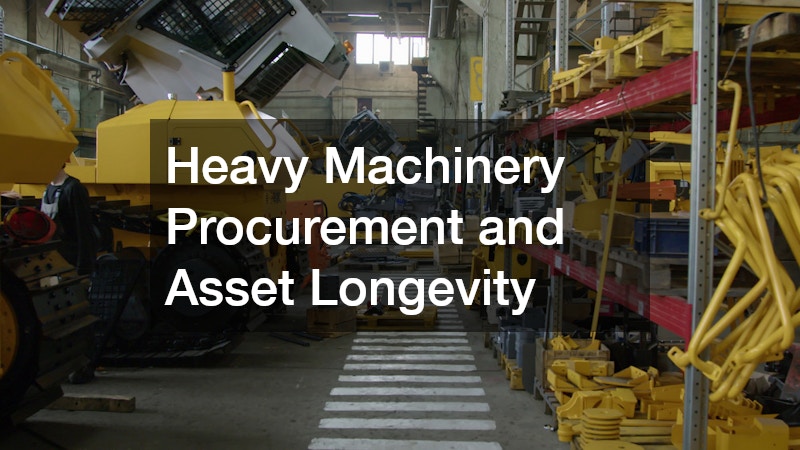
Physical equipment represents the lifeblood of production, processing, and distribution logistics. For a small business, purchasing heavy machinery, manufacturing lines, or fulfillment equipment represents a major capital expenditure that requires careful planning. If a critical machine fails, the entire logistical pipeline grinds to a halt, causing immediate backlogs, delayed customer order shipments, and severe reputational damage. Therefore, small business logistics must prioritize both the procurement of highly reliable machinery and the implementation of operational methodologies designed to maximize the lifespan and mechanical precision of those physical assets.
When selecting industrial equipment, operational teams must focus intensely on component durability and the long-term cost of maintenance. Machinery operating under continuous mechanical stress, high friction, or harsh environmental conditions requires specialized manufacturing treatments to resist premature wear. Small businesses should seek out equipment components that have undergone advanced surface engineering, such as flame hardening, on high-wear surfaces like guide rails, gears, heavy links, and stamping dies. This localized thermal treatment dramatically increases the surface hardness and abrasion resistance of the steel while preserving a ductile, shock-absorbing core within the part, thereby preventing sudden catastrophic structural fractures during peak operational cycles.
In addition to surface treatments, small business operations rely heavily on the precision controls governing their fluid, gas, or mechanical transmission lines. Logistics networks that manage chemical processing, water infrastructure, or automated assembly lines require completely dependable valve control and actuator mechanisms to maintain workflow integrity. Integrating high-quality, precision-engineered valve systems, such as dynatorque manual overrides and automated actuators, provides operators with precise control over mechanical and fluid flows. Having robust, highly reliable actuators prevents fluid line surges, ensures repeatable process accuracy, and allows for rapid, reliable manual intervention during unexpected system disruptions, safeguarding both the workforce and the surrounding mechanical infrastructure.
Facility Maintenance and Thermal Efficiency
A well-optimized physical facility requires ongoing operational maintenance to ensure that the environment remains safe, efficient, and highly conducive to maximum human and mechanical productivity. Facility logistics involves managing the physical plant, controlling ambient temperatures, protecting sensitive inventory from environmental degradation, and minimizing the energy overhead associated with running large commercial spaces. Neglecting building upkeep or failing to address thermal inefficiencies can result in spiraling utility bills, premature equipment failures, and compromised worker safety conditions.
For many small businesses, managing complex mechanical systems, electrical infrastructure, structural repairs, and regulatory safety testing in-house can completely overwhelm internal teams. Attempting to handle specialized maintenance tasks without dedicated expertise often leads to superficial repairs that mask deeper, more systemic problems. To mitigate this risk, successful small businesses integrate an outsourced, highly specialized industrial maintenance service into their operational model. Partnering with professional technicians ensures that your building’s HVAC systems, structural elements, overhead doors, and safety infrastructure are regularly audited and maintained to comply with OSHA regulations, allowing your internal staff to focus exclusively on core business operations and order fulfillment.
Thermal efficiency represents another major operational challenge, particularly for businesses running manufacturing machinery, steam pipelines, or extensive heating and cooling networks. Uninsulated high-temperature components radiate massive amounts of ambient heat into the facility, forcing HVAC systems to work significantly harder to maintain comfortable working temperatures, while creating severe burn hazards for your floor personnel. Implementing removable, custom-fitted thermal insulation blankets over high-heat valves, exhaust manifolds, steam lines, and boiler components provides an elegant, highly flexible logistical solution. These specialized industrial blankets trap heat directly within the process piping, reducing ambient energy loss, lowering facility cooling costs, and ensuring that employees can safely work around heavy thermal machinery without risking injury.
Utilities, Sourcing, and Resource Extraction Logistics
Every physical business operation depends entirely on a steady, uninterrupted supply of core utility resources to power its daily production, fulfillment, and facility operations. Whether your business requires high-volume electrical infrastructure, massive quantities of industrial water, or specialized subterranean access for geothermal climate control, utility logistics must be factored into your earliest site analysis and sourcing strategies. Relying on standard municipal connections without verifying their capacity or establishing secondary contingencies can severely throttle a small business’s ability to expand operations.
For industrial facilities, manufacturing plants, or agricultural enterprises that require deep groundwater access or independent resource wells, standard municipal water infrastructure is often entirely unavailable or prohibitively expensive to utilize at scale. In these operational scenarios, small business logistics teams must collaborate with certified commercial drilling companies to design and execute deep well infrastructure or stabilize site foundations for heavy structural additions. Securing an independent, highly reliable water or geothermal source allows a business to maintain predictable utility overhead, protect its operational continuity from municipal water restrictions, and ensure that high-volume production lines have the constant water volume required for processing or machinery cooling.
Securing the Digital Supply Chain
In the modern business landscape, logistics is no longer confined to the physical movement of inventory and the upkeep of physical buildings. Today, a small business’s digital infrastructure is completely intertwined with its physical operations. Automated Warehouse Management Systems (WMS), digital inventory trackers, automated purchasing pipelines, and customer relationship databases form the digital nervous system of the modern enterprise. If this digital framework is compromised, physical fulfillment stops instantly, trucks cannot be loaded, inventory balances are lost, and highly sensitive proprietary data can be stolen.
Small businesses are increasingly targeted by sophisticated cybercriminals because they frequently lack the robust, enterprise-grade digital defenses found in multinational corporations. A breach in your digital supply chain—such as a ransomware attack that encrypts your shipping software or a phishing exploit that intercepts vendor payment channels—can completely cripple your operations within minutes. To safeguard your digital assets, small business owners must move away from basic consumer-grade antivirus software and actively partner with specialized business cybersecurity services. These information security professionals deploy proactive threat monitoring, establish firewalls, protect cloud-based storage networks, and ensure that your automated logistical data flows remain fully secure against external penetration.
Securing the digital supply chain also requires an intensive focus on human operational protocols and internal data access controls. Even the most advanced technical security systems can be instantly bypassed by a single employee clicking an unverified link or falling victim to a social engineering scheme. Digital logistics planning must incorporate strict identity access management, ensuring that employees are granted access only to the specific data layers required to perform their daily duties. By restricting access privileges and enforcing rigorous multifactor authentication across all inventory, financial, and logistical platforms, a small business significantly minimizes its digital attack surface.
Building a successful small business is an iterative journey that demands equal parts visionary growth and operational discipline. While marketing campaigns and product development will always capture the public imagination, it is the silent, meticulous organization of your logistical infrastructure that ultimately determines whether your business will thrive or fail under the pressure of scaling. From the structural layout of your primary facility to the environmental safety of your ground site, the resilience of your production machinery, the efficiency of your utility sourcing, and the absolute security of your digital tracking software, logistics form the bedrock upon which sustainable commerce is built.
By shifting your perspective and viewing logistics not as an annoying operational expense, but as a dynamic strategic asset, you can insulate your small business from unexpected market shocks, regulatory interventions, and costly mechanical disruptions. Take the actionable insights outlined throughout this comprehensive blueprint and begin systematically auditing your current operations. Implement a clear, phased approach to fortifying your physical layout, protecting your assets, and securing your digital networks. In doing so, you will transform your small business logistics engine into a powerful, reliable, and highly scalable competitive advantage that supports long-term profitability for years to come.